



East vs Eastern Africa Differences You Need to Know
Understanding the True Geography of East vs Eastern Africa
The ongoing debate surrounding East vs Eastern Africa confuses many investors, journalists, and global citizens. While these two terms sound identical, they actually describe very different boundaries on the continent. Understanding this clear distinction is essential when analyzing the latest trade agreements and economic reports. Our comprehensive guide unpacks these geographic differences and provides the most critical regional financial updates for 2026.
The Geographic Realities of East vs Eastern Africa
To understand the core differences between East vs Eastern Africa, we must look at global political definitions. Eastern Africa is a broad geographic term used by bodies like the United Nations. This vast classification encompasses the entire eastern portion of the African continent. It includes Horn of Africa nations like Ethiopia as well as Indian Ocean island states like the Seychelles.
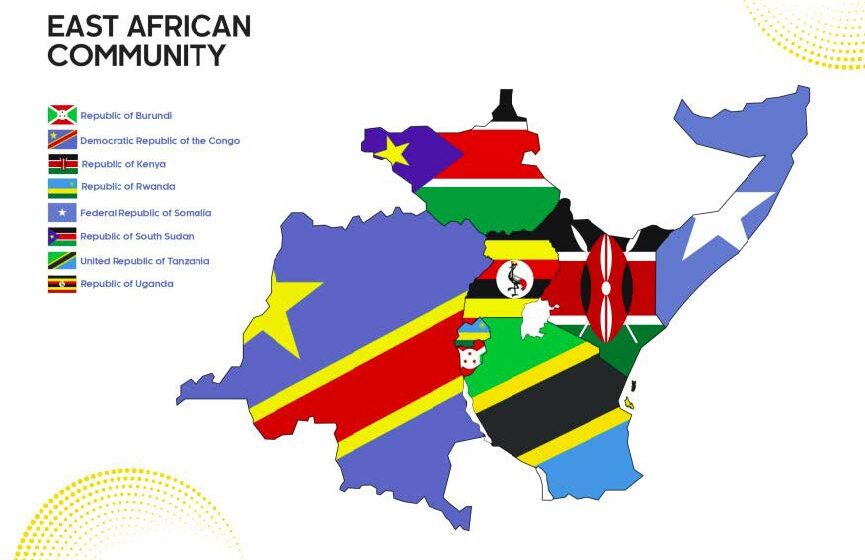
In stark contrast, East Africa typically defines a specific geopolitical and economic trading bloc. This group represents the formal members of the East African Community. It features prominent nations like Kenya, Tanzania, Uganda, Rwanda, and Burundi. Recognizing this operational boundary helps analysts interpret regional trade data correctly.
Why the Wider Eastern Region Shows Massive Growth
The African Development Bank continues to highlight this area as the fastest growing region on the continent. Experts project the regional economy will moderate to a highly impressive 5.9 percent growth rate in 2026. This performance heavily outperforms other parts of Africa such as West Africa, which is projected at 4.5 percent. Strong services activity, infrastructure investments, and regional integration drive this continued economic momentum.
The Growing Danger of Economic Divergence
Despite the impressive overall figures, the wider region is experiencing a dangerous economic divergence. The individual countries are simply not progressing at the same pace. For example, Rwanda has recorded massive economic expansion over the last year. Meanwhile, smaller economies like Burundi face much tougher local conditions and slower growth.
Overcoming Debt and Global Shocks
Rising fuel costs and mounting debt pressures remain significant challenges for regional finance ministers. Increasing commercial borrowing makes debt refinancing far more expensive. To counter this trend, experts suggest that governments tap into massive domestic reserves. The region has access to 700 billion dollars held in pension funds and 100 billion dollars flowing through diaspora remittances. Mobilizing these specific funds will heavily reduce reliance on volatile global markets.
Moving Beyond Trade Barriers to Enhance Integration
Trade integration remains a massive focus for regional leaders this year. The African Continental Free Trade Area holds incredible potential for enhancing economic integration across all zones. Furthermore, major transport corridors linking ports in Mombasa and Dar es Salaam to inland markets have successfully lowered transaction costs. Removing remaining trade hurdles will significantly boost intra regional trade and lower business costs.
The Long Term Future of the Regional Economy
These regional updates paint a highly promising picture for 2026. The continent is actively building the infrastructure needed for long term prosperity. Across Africa, consumer price inflation is projected to ease to 10.4 percent in 2026, signaling a gradual improvement in overall price stability. Citizens can expect more seamless travel and better cross border business opportunities in the coming months.