



Gen Z Protests Economic Impact: Did Kenya’s Trajectory Shift?
One Year Later: Did the Gen Z Protests Actually Shift Kenya’s Economic Trajectory?
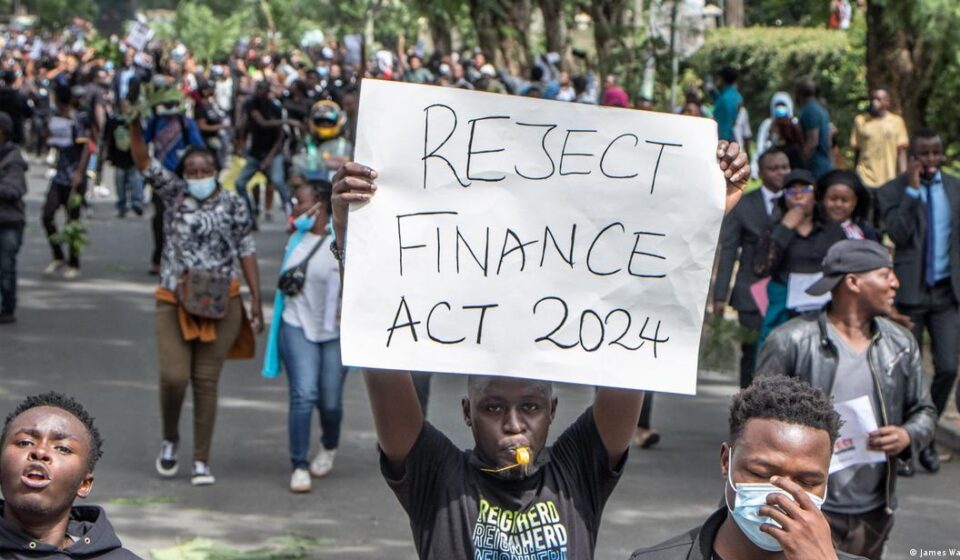
The Gen Z protests economic impact remains a hotly debated topic across Kenya in 2026. Young Kenyans initially took to the streets to reject punishing tax hikes and demand accountability. They wanted a complete overhaul of how the government manages public funds. The demonstrations successfully forced the president to withdraw the controversial Finance Bill. However, many citizens now wonder if that historic victory translated into lasting financial reform.
Did the youth-led revolution actually change how the country spends its money? We must look past the political rhetoric and examine the hard numbers defining Kenya’s economy today.
The Immediate Gen Z Protests Economic Impact
The youthful demonstrators achieved something unprecedented in Kenyan history. They forced the government to abandon aggressive revenue-raising measures that targeted basic goods. The initial Gen Z protests economic impact brought temporary relief to struggling households. The state dropped proposed levies on essential items, electric vehicles, and mobile money transactions.
However, avoiding a bad tax does not automatically create a good economy. The government still faced a massive budget deficit. Officials simply shifted their strategy from aggressively taxing citizens to aggressively borrowing money.
The Sh4.8 Trillion 2026 Budget and Debt Reality
Many Kenyans expected the protests to trigger serious budget cuts. Recent financial data paints a very different picture. President William Ruto just signed the massive Sh4.8 trillion budget for the 2026/27 financial year. Government spending continues to climb rapidly.
The Heavy Burden of Domestic Borrowing
The state now relies heavily on domestic banks to fund its massive budget. The fiscal deficit will require net domestic borrowing of over KES 1.03 trillion. This strategy creates a vicious cycle for ordinary Kenyans. When banks lend all their money to the government, they lock out small businesses. This credit freeze restricts overall economic growth. It also stifles local job creation.
Does the Gen Z Protests Economic Impact Affect Spending?
The public wage bill and debt servicing still consume most collected taxes. Kenya spends a massive portion of its revenue simply repaying old loans. This leaves very little money for crucial development projects. Senior officials continue to pursue large projects while ignoring technical budget advice.
Have Youth Unemployment Rates Improved?
The core grievances that sparked the initial uprising have not disappeared. The true test of the Gen Z protests economic impact lies in the daily reality of young Kenyans.
Right now, the employment numbers remain alarming. General unemployment hovers around 13 percent. Youth unemployment sits at a staggering 67 percent. Furthermore, about 85 percent of employed Kenyans remain trapped in the informal sector. These workers survive on low and irregular incomes.
The cost of living remains stubbornly high. Citizens continue to bear the costs of inflation. Public frustration will likely persist until the government creates quality jobs for the youth.
Final Verdict: Evaluating the Gen Z Protests Economic Impact
The Gen Z movement permanently changed Kenya’s political landscape. Young people proved they could mobilize effectively. They held leaders accountable without traditional politicians. However, the overall economic trajectory has not drastically shifted.
The government still struggles with runaway debt and bloated recurrent expenditures. True economic transformation requires more than just rejecting a single Finance Bill. It demands strict fiscal reform and real consequences for financial mismanagement. Until officials face actual penalties for wasting public funds, the structural economic challenges will remain firmly in place.